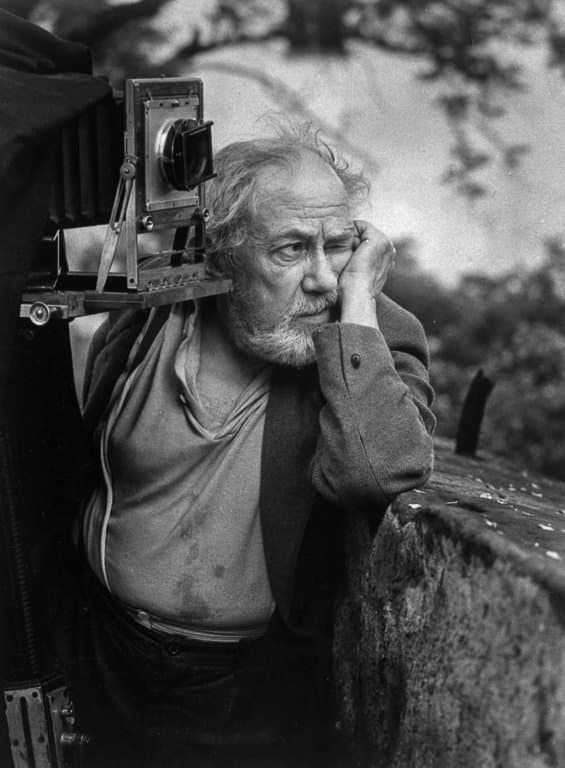
Josef Sudek: the poet who never left home
Masters · 9/7/2026
How a one-armed Czech photographer turned physical limitation and a single Prague studio into a rigorous, contact-printed method for seeing.
Josef Sudek at a glance
| Full name | Josef Sudek |
| Life | 17 March 1896, Kolín, Bohemia (Austria-Hungary) – 15 September 1976, Prague, Czechoslovakia |
| Nationality | Czech |
| Genres | still life, architectural and urban photography, panorama, landscape |
| Active | c. 1920s–1976 |
| Places | Kolín; Prague (studio at Újezd 30, Malá Strana) |
| Official / archive | Sudekbooks.com · UPM Prague · Atelier Josefa Sudka |
| Selected distinctions | Named "Artist of Merit" and later given state honours by Czechoslovakia in the 1960s (exact titles and years vary slightly between institutional sources) |
Sudek's most reproduced image shows nothing more than a windowpane fogged with condensation, a wilting plant, and a blurred garden beyond glass. He made variations on it for over a decade from the same studio window. That repetition is the argument why Sudek's achievement was not range but radius — he built a photographic language out of staying put, and out of the physical constraint of working, after the loss of his right arm, with heavy view cameras that forced deliberateness on every exposure.
On a rain-darkened pane in The Window of My Studio, beads of water interrupt the courtyard beyond. Branches, glass and weather occupy the same shallow field; looking outward becomes inseparable from noticing the material one looks through. This is the essential Sudek situation. His best pictures do not promise transparent access to Prague, a garden or a still life. They put an obstacle between subject and viewer—fogged glass, heavy shade, panoramic distortion, accumulated objects, even the dense substance of the print—and make that obstacle the means of discovery.
That is why the familiar description of Josef Sudek as the solitary “poet of Prague” is both useful and inadequate. It names the lyric concentration of his photographs, but it can turn a working professional into a legend detached from history. Sudek trained as a bookbinder, survived the First World War with a permanent disability, ran a commercial studio, collaborated with designers and publishers, hosted weekly music gatherings and negotiated institutions under two very different political orders. His achievement was not withdrawal alone. It was the disciplined conversion of limits—physical, spatial, technical and political—into forms of attention.
A bookbinder's hands, a lost arm, and a city that never left him
Sudek was born in Kolín, a market town on the Elbe east of Prague, and trained as a bookbinder before the First World War. Conscripted into the Austro-Hungarian army, he was severely wounded on the Italian front in 1917; his right arm was amputated, and he spent years afterward in and out of hospitals and disability pensions, an experience that permanently shaped his physical relationship to photography. He studied at the State School of Graphic Arts in Prague under Karel Novák in the early 1920s and became a founding figure of the Czech Amateur Photographic Club, later part of the more progressive Czech Photographic Society, aligning himself with photographers pushing beyond pictorialist convention toward a harder-edged, modern sensibility. Through the interwar Czech avant-garde — poets, typographers, and the cooperative publisher Družstevní práce, for whom he did steady commercial and book work — Sudek found both an income and an intellectual milieu that treated photography as a serious modern art rather than a craft.
Contact prints, large format, and the discipline of standing still
Sudek worked chiefly with large-format view cameras — old wooden studio cameras, and later a large panoramic camera acquired after the Second World War — producing negatives large enough to contact-print rather than enlarge. This was not merely a technical preference; contact printing on a negative the size of the final print eliminates the interpretive step of enlargement and rewards extremely long, patient exposures, since the photographer cannot crop or crop-compensate later. Losing his right arm made handling heavy glass-plate and sheet-film cameras on tripods a matter of practiced, slow choreography rather than a quick handheld snapshot; several biographers and the Prague studio-museum note that this physical reality reinforced an already contemplative temperament. He worked without assistants for much of his career, printed in his own darkroom at Újezd, favored gelatin silver prints of rich, velvety blacks, and later experimented with pigment printing for some series. He rarely traveled; his major bodies of work were made almost entirely within Prague, its cathedral, its parks, and his own studio and garden.
The window, the cathedral, and the garden: five close readings
The Window of My Studio
Made across the 1940s–50s from Sudek's Malá Strana studio, this open-ended series shows the same pane of glass — sometimes fogged, iced, or rain-streaked — with a garden or still-life object beyond it. The subject is literally the boundary between the photographer's confined working space and the world he could no longer easily walk into. Its meaning lies in repetition and restraint rather than incident.
The Window of My Studio," c. 1940s–50s
"Okno mého ateliéru" ("The Window of My Studio"), 1940–1954
St. Vitus Cathedral series
Sudek photographed the interior of Prague's St. Vitus Cathedral repeatedly from the 1920s into the 1950s, exploiting shafts of light through stained glass against deep architectural shadow. The long, essentially immobile exposures required by the available light turn stone and dust into near-abstract fields of tone — an early demonstration that his technical constraints produced, rather than limited, his visual signature.
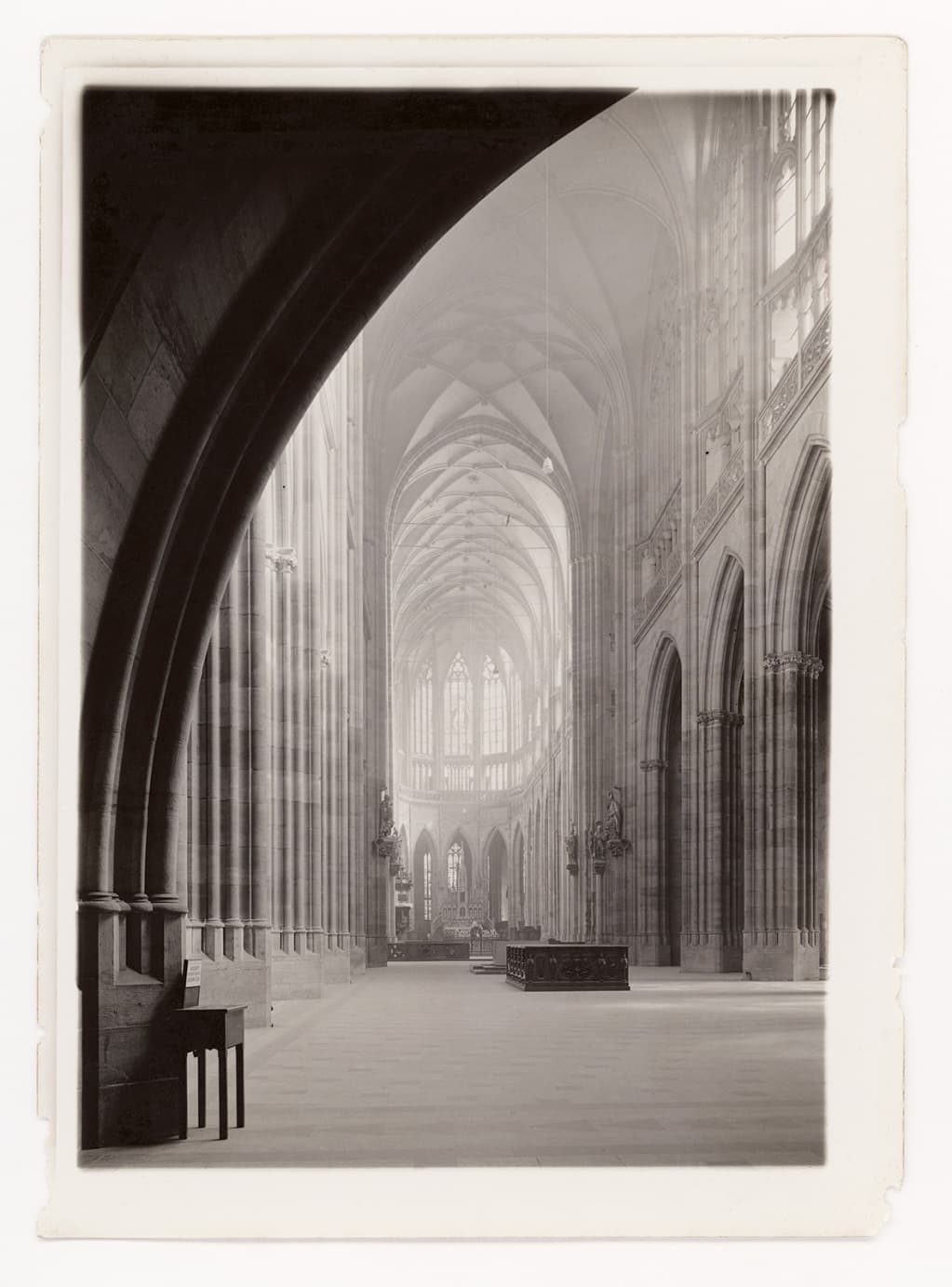 "St. Vitus Cathedral"
, 1928
Advertising photographs for Družstevní práce
Sudek’s commercial pictures of glass, ceramics and designed objects are often treated as an interruption before the “real” poetic work. They are better seen as a laboratory. Reflective surfaces demand exact control: a small shift in lamp, lens or object changes the product’s outline and apparent weight. Sutnar’s modern page design gave those decisions a public sequence. The clear presentation required by advertising also sharpened Sudek’s knowledge of translucency, later released from salesmanship in his window and labyrinth pictures. This work complicates the myth of instinctive reverie. His lyricism rests on techniques learned while meeting deadlines, serving clients and collaborating with a designer.
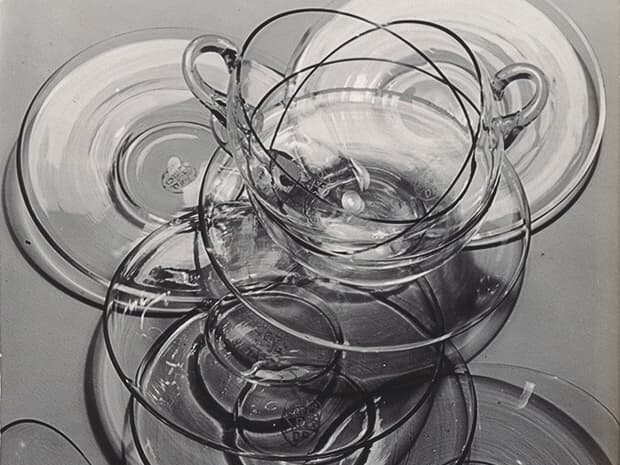 Glass advertising
The Magic Garden (Zahrada)
A late series photographing his own overgrown studio garden, close-up and unglamorous — weeds, glass jars, cobwebs. It reads as a private, almost devotional cataloguing of the small territory he actually inhabited daily, in deliberate contrast to grand landscape traditions.
 A Summer Shower in the Magic Garden
"A Summer Shower in the Magic Garden", 1954-1959
Labyrinths (Labyrinty)
Still lifes assembled from studio debris — broken glass, string, eggshells — photographed close and often in raking light. Here staging is explicit: Sudek arranged these objects himself, and the series is best read as sculpture made temporarily for the camera, not documentary observation.
 # [Glass Labyrinths](https://www.mutualart.com/Artwork/-Glass-Labyrinths/4330E44AFD7D1267
"Glass Labyrinths"
Prague Panoramas
Using a large panoramic camera acquired postwar, Sudek photographed the city's rooftops, bridges, and parks in wide format, extending his fixed geographic focus (Prague) into a new optical register without ever leaving the city that anchored his entire career.
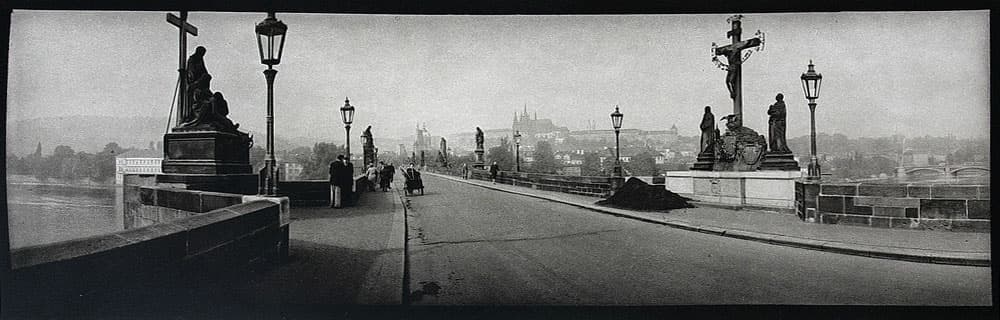 "Prague Panoramas," 1950s–60s
Silence, threshold, and the ethics of small scale
Across still life, cathedral interior, garden, and panorama, Sudek's recurring subject is the threshold — window glass, cathedral doorways, garden fences — treated as sites of contemplation rather than passage. Critics reasonably debate whether this constitutes a genuinely radical modernist stance or a quieter, more conservative retreat from the political upheavals (Nazi occupation, then communist rule) that surrounded his working life; Sudek rarely photographed people, and almost never addressed contemporary Czech political trauma directly, a silence some historians read as evasion and others as a deliberate, private form of resistance through attention to the overlooked.
 Last Roses
The studio at Újezd Street and the weight of being called a poet
Sudek exhibited internationally from the 1960s onward and received state recognition in Czechoslovakia late in life, though institutional sources vary slightly on exact titles and dates of these honors. He remained in his Malá Strana studio until his death in 1976; that studio is now preserved as the Atelier Josefa Sudka museum, and his archive and negatives are held principally by the Museum of Decorative Arts in Prague (UPM). His popular nickname, "the Poet of Prague," while affectionate, risks flattening a career built on hard technical discipline into mere sentiment, what looks like gentle nostalgia in a Sudek print is the visible residue of one man's decision to stop moving and look harder.
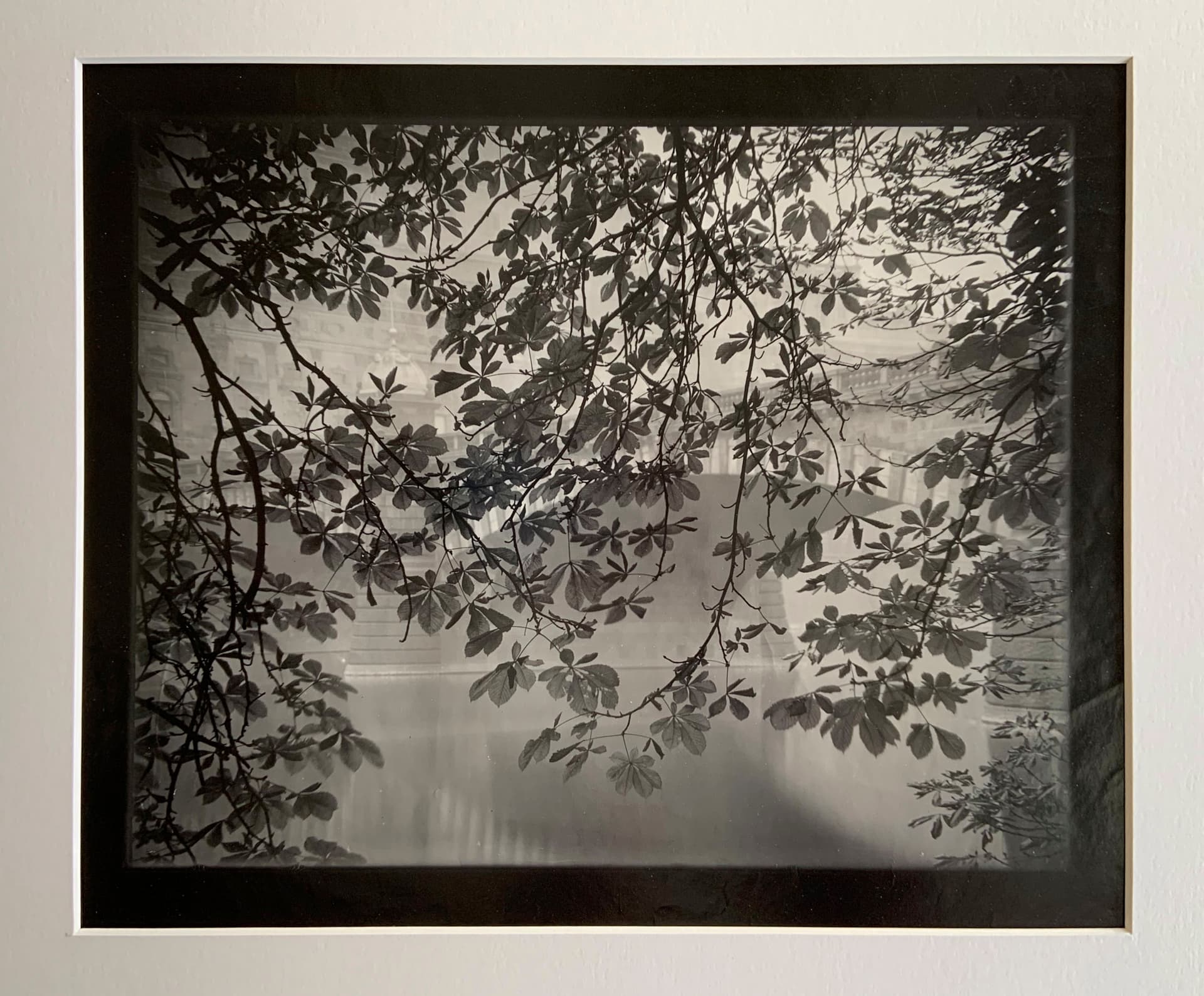 Střelecky Ostrov, Prague (Střelecky Island with Legion Bridge and Vltava river, Prague), 1950s-1960s
Books
Selected books by Josef Sudek
| Book | Title | Author/editor | Year | Publisher | Why it matters |
|---|---|---|---|---|---|
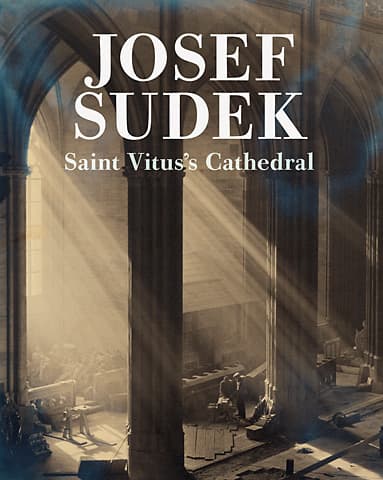 Saint Vitus’s Cathedral | Saint Vitus’s Cathedral | Josef Sudek | 2010 | Torst | This volume is the first to compile Sudek's photos of St. Vitus's Cathedral |
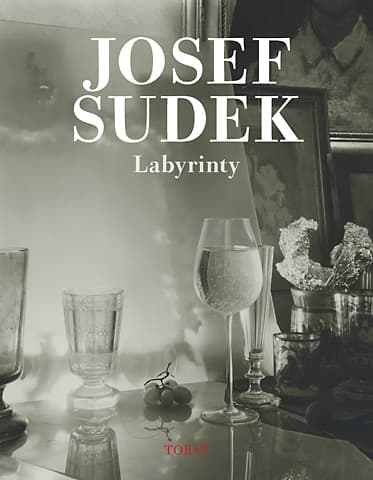 Labyrinty | Labyrinty | Josef Sudek | 2013 | Torst | In the most intimate space of his studio, Sudek spent years photographing many-layered assemblages of objects, in which he searched for, and was able to find, unusual mystery. |
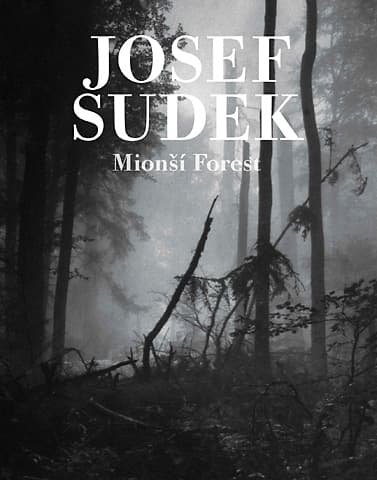 Mionší Forest | Mionší Forest | Josef Sudek | 2009 | Torst | The series of photographs that Joseph Sudek created in the Mionsí Forest of Morovia's Beskid Mountains |
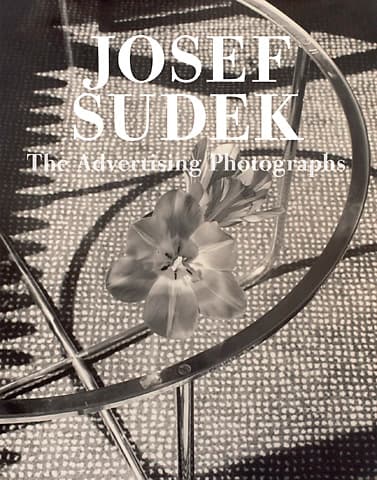 The Advertising Photographs | The Advertising Photographs | Josef Sudek | 2008 | Torst | Restores commercial work to the center of his modernist practice |
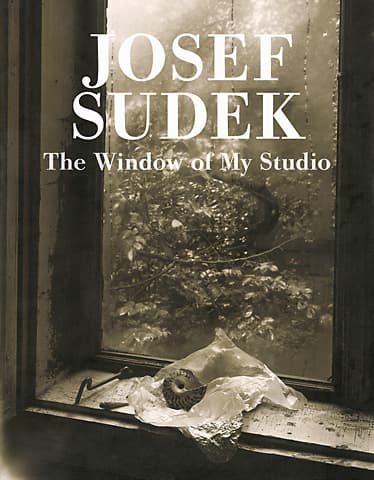 The Window of My Studio | The Window of My Studio | Josef Sudek | 2007 | Torst | Presents the series, which was of fundamental importance to Sudek, for it caused his work to move further into a surreal or Magic Realist style, with blurred images and strong shadows |
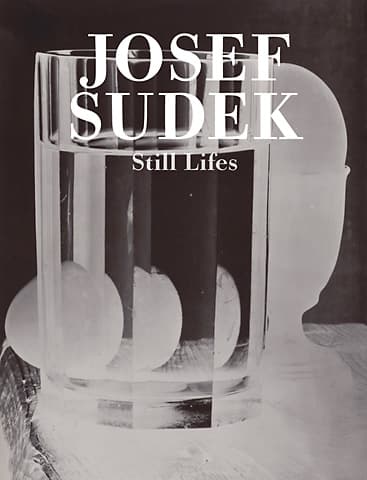 # Still Lifes | Still Lifes | Josef Sudek | 2008 | Torst | This volume is the first in-depth study of Sudek's still lifes |
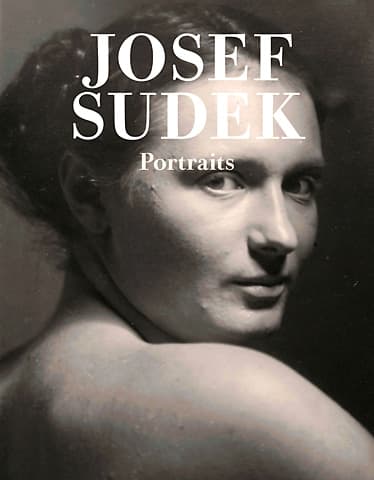 Portraits | Portraits | Josef Sudek | 2008 | Torst | Portraits, the second volume of Sudek's collected photographs, gathers this body of work. |
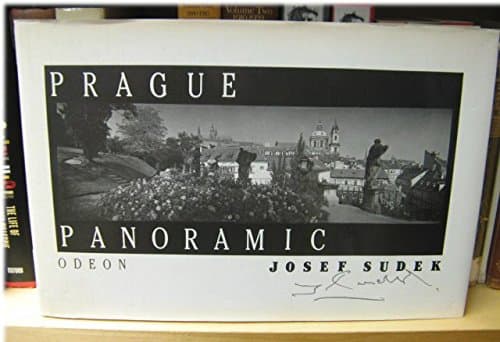 Praha panoramatická | Prague panoramic | Josef Sudek | 1992 | Odeon | Its 284 plates turn panoramic format into a sustained reading of Prague. |
Books about Josef Sudek
| Book | Title | Author/editor | Year | Publisher | Focus |
|---|---|---|---|---|---|
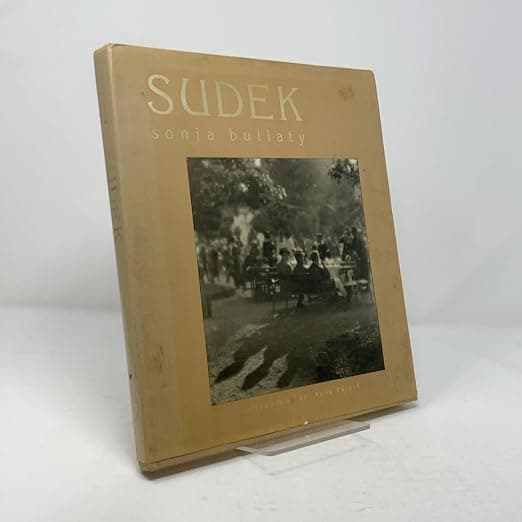 Sudek | Sudek | Sonja Bullaty | 1978 | Clarkson N. Potter | An early posthumous overview shaped by a photographer who knew Sudek. |
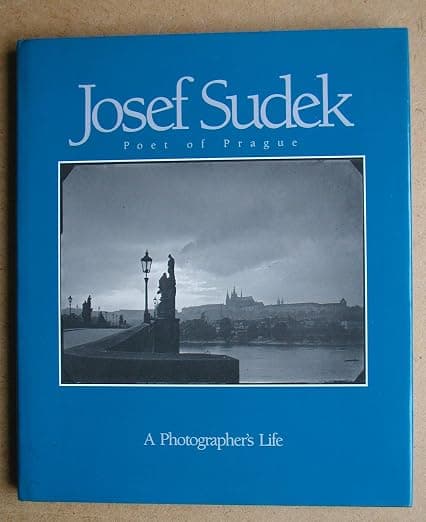 Josef Sudek: Poet Of Prague | Josef Sudek: Poet of Prague: A Photographer’s Life | Anna Fárová | 1990 | Aperture | A major English-language biographical and critical study |
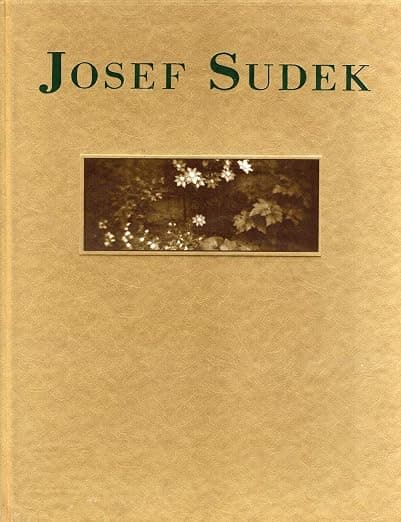 Josef Sudek | Josef Sudek | Anna Fárová | 1999 | Gina Kehayoff Pub | The large, foundational monograph on which Torst’s detailed chronology chiefly relies |
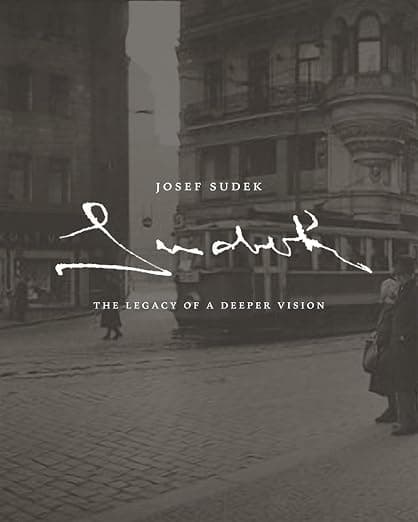 Josef Sudek: The Legacy of a Deeper Vision | Josef Sudek: The Legacy of a Deeper Vision | Edited by Maia-Mari Sutnik | 2012 | Hirmer | Multi-author scholarship on technique, themes and international reception |
Films
| Film | Film title | Year | Director | Production | Relevance |
|---|---|---|---|---|---|
| POET Of Prague: The MASTERFUL Art of Josef Sudek | This video explores his life, from his early challenges to his rise as one of the most iconic photographers of the 20th century | ||||
| Josef Sudek: The Poet of Prague in Photography | |||||
| How to Poetically Craft Light in Photography |